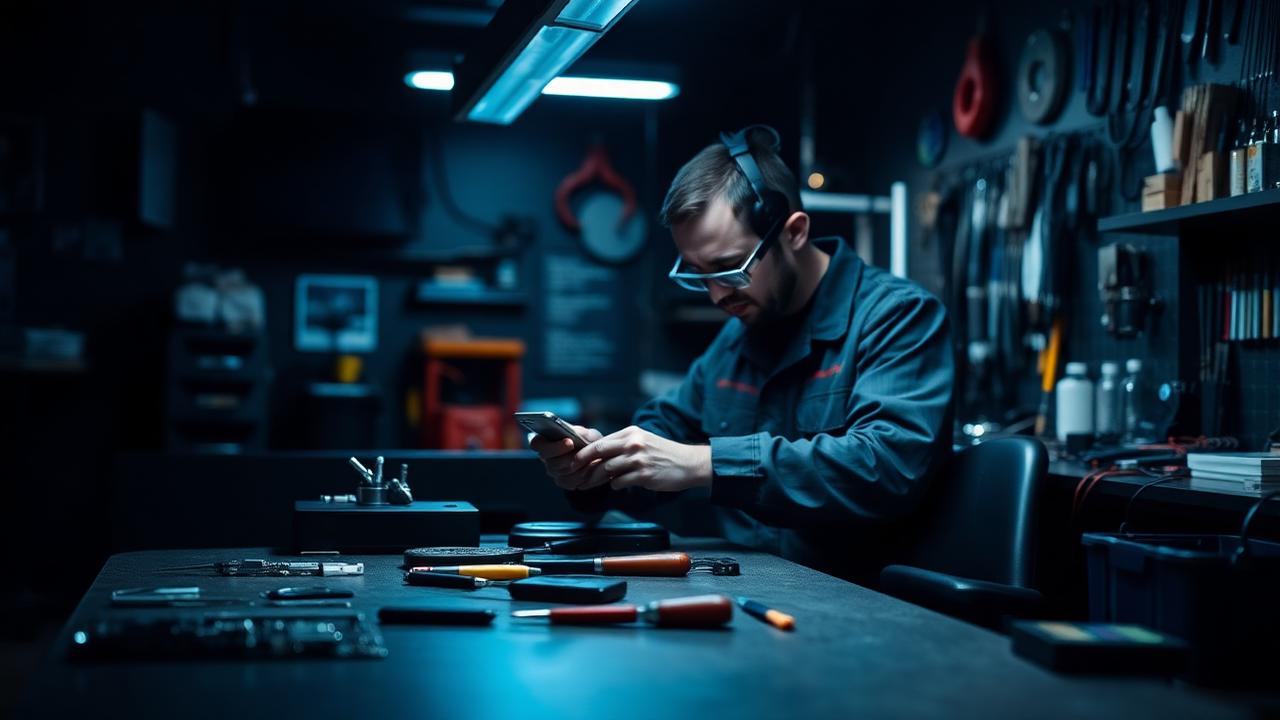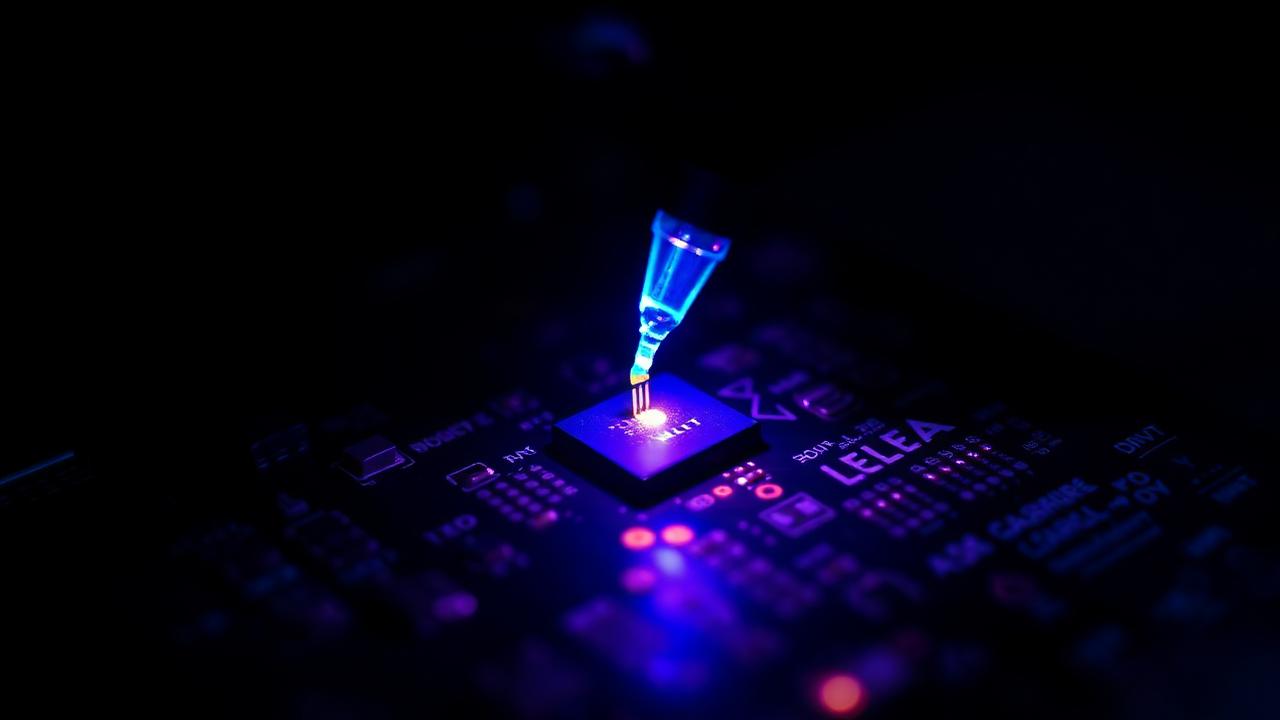
Most shops replace parts. Very few can fix a board. That scarcity is why board-level work commands premium pricing and why other shops will send you their impossible jobs.
What board-level repair covers
- Charging circuit and tristar-type faults
- Backlight and display circuit repair
- Water damage cleanup and corrosion repair
- Data recovery from devices that will not power on
- Component replacement on the logic board
The gear you need
A stereo microscope, a quality soldering station with fine tips, hot air, flux, solder paste, an ultrasonic cleaner, and a bench power supply. This is a real investment — which is why it comes after your core repair income is established.
When to add it
Add board-level work once screen, battery, and port repairs are reliably profitable. At that point it raises your average ticket, wins referrals from other shops, and makes your business much harder to compete with.
How to learn it safely
Practice on scrap boards, learn to read schematics and board views, and get feedback from someone experienced. Live technical sessions matter here more than anywhere else — subtle mistakes are invisible without a second set of trained eyes.